Printing labels is a simple way to save time, stay organized, and keep your business running efficiently. Whether you're printing shipping labels for holiday packages, organizing inventory, or preparing everyday business mailings, using the correct labels for your printer is essential. Prevent paper jams, poor print quality, and unnecessary service calls or repairs by choosing the right label materials and following a few simple printing guidelines.
In this guide, we'll walk through how to print labels on a variety of printers, how to choose the right labels for your device, and common mistakes to avoid for a smoother printing experience.
How to Print Labels on a Multifunction Printer (MFP)
Follow these tips to help ensure a successful print job:
- Select the correct paper type. Choose "Labels" as the paper type on your printer's control panel AND in your computer's print driver settings. This helps your device adjust its settings for the thicker label material.
- Always use the bypass tray. The bypass tray provides the most direct paper path for label sheets.
- Feed label sheets one at a time. Loading one sheet at a time through the bypass tray helps prevent misfeeds and reduces the chance of labels catching inside the machine.
- Never reuse partially used label sheets. Once a label sheet has passed through a printer, it should not be run through again, even if some labels remain unused. The printing process can loosen label edges, increasing the risk of labels peeling off inside your device.
- Check the feed direction. Look for arrows or other indicators on the label packaging to determine which direction the sheet should face when loaded into the bypass tray.
- Store labels in their original packaging. Keeping label sheets in their original packaging helps protect them from dust, moisture, and damage that could affect print quality and feeding.
Taking these extra steps can help reduce jams, misfeeds, and other printing interruptions and keep your device operating as it should.
How to Choose the Right Labels for Your Printer
Choosing labels that are compatible with your printing device is important for achieving quality results and protecting your equipment. Using incompatible labels can lead to poor print quality, smudging, flaking, adhesive residue, and paper jams. In some cases, the wrong label materials can even damage internal printer components.
Before purchasing labels, check whether your printer uses laser or inkjet technology and select label materials specifically designed for that type of device.
Laser Printer Labels vs. Inkjet Printer Labels
Laser and inkjet printers use two very different printing processes. Because of this, their labels are manufactured with different materials and coatings to accommodate how each technology applies ink or toner.
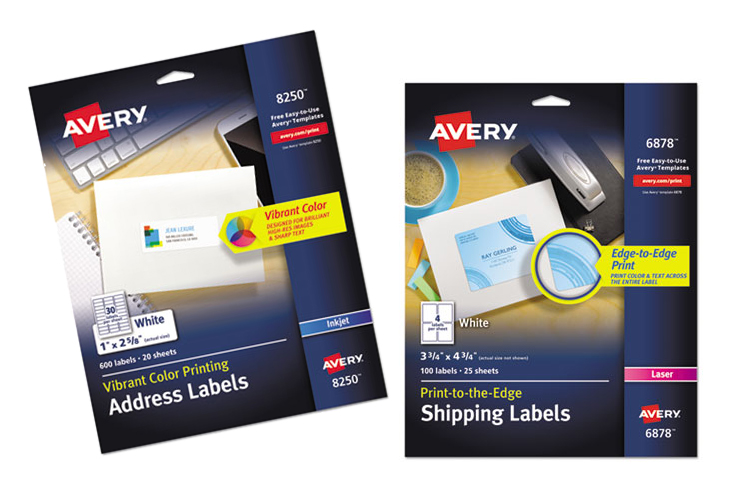 Laser Printer Labels
Laser printers use heat and pressure to bond dry toner powder to the surface of the material being printed.
Laser-compatible labels are manufactured to withstand the high temperatures involved in the printing process without melting, curling, or deforming. They also feature surfaces designed to help toner adhere properly, resulting in clear, durable print quality.
Inkjet Printer Labels
Inkjet printers work differently by spraying liquid ink onto the printing surface. The ink is absorbed into or dries on the material to create the printed image.
Inkjet-compatible labels typically feature specially treated or porous surfaces that help absorb ink and promote proper drying. Using the correct inkjet label material helps prevent smearing and produces sharper, cleaner results.
Can You Use the Same Labels for Laser and Inkjet Printers?
Not necessarily. Some labels are designed for both laser and inkjet printers, while others are made specifically for one printing technology.
Always check the product packaging and manufacturer specifications before using a label in your device. Using a label that is not rated for your printer can result in poor print quality or equipment issues.
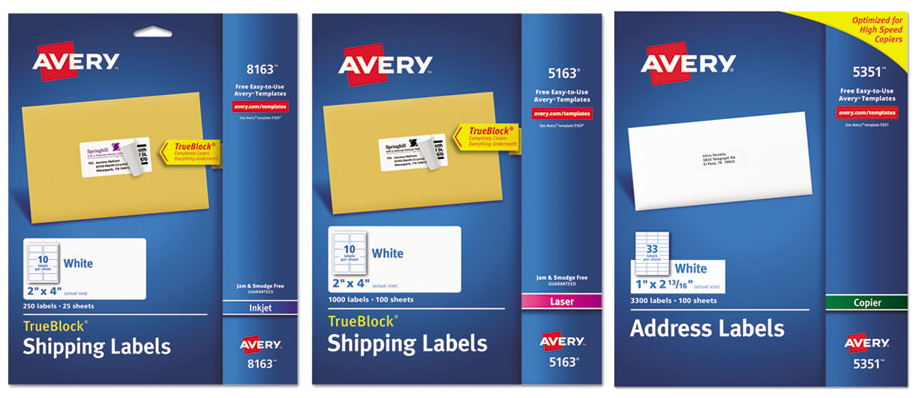
What Are Copier and Multifunction Printer Labels?
If you're printing labels on a high-speed copier or multifunction printer, it's important to choose labels specifically designed for that equipment.
Copier and MFP-compatible labels are manufactured to perform under the higher temperatures and operating conditions associated with many commercial printing devices.
While some desktop laser labels may be suitable for certain MFPs, not all are designed to withstand the demands of high-speed copier equipment. Always check your printer's specifications and the label manufacturer's compatibility recommendations.
Are EZ Peel Labels Safe for Printers?
EZ Peel labels are designed with backing sheets that make individual labels easier to remove. While this feature can be convenient when applying labels, it would likely create problems if running sheets through a printer or multifunction device. Because the labels are designed to peel away easily, their edges tend to be more likely to lift during the printing process. As label sheets move through the printer's paper path, they bend and flex. This movement can cause loose label edges to catch on internal components.
If a label detaches inside the device, it can adhere to paper transport rollers, drums, or image transfer belts. Removing an adhered label can be difficult and may result in damage to sensitive printer components resulting in that part reaching its “end of life”. For this reason, we generally recommend avoiding EZ Peel labels in most printers and multifunction devices. Instead, choose label sheets designed specifically for your printing equipment.
Printing labels doesn't have to be complicated. Choosing the right label materials and following proper printing guidelines can help prevent jams, protect your equipment, and keep your workflow running smoothly.
As the holiday shipping season approaches, having the right labels on hand can also save valuable time. Printing shipping labels in-house makes it easier to prepare packages, streamline mailings, and keep shipments moving during the busiest time of year. A little preparation goes a long way toward making everyday printing and holiday shipping more efficient!
If you have any questions on your label choices, the proper labels for your equipment, or are unsure what type of device you have, please ask your Rhyme Service Technician or contact us at 800-362-4333. Find all your label needs at shop.rhymebiz.com.
For more information on printing see:
| Creating an Intelligent Print Environment | Creative Ways to Stand Out with Color |